Traffic can still create awareness, but margin growth now depends on whether vendor teams can convert attention into guided buying journeys, repeat action, and sharper post-click decisions.
Why traffic alone stopped being enough
A lot of vendor teams are still solving the wrong problem. They focus on buying more traffic when the real constraint is that the storefront experience, offer structure, and lifecycle follow-up are not working together. More visitors only increase the cost of that mismatch.
The strongest modern funnels are built around intent quality, offer readiness, and response speed. They do not assume all visitors deserve the same message or the same destination. They move people into different paths based on what they appear ready to buy or explore next.
Funnel quality comes from orchestration
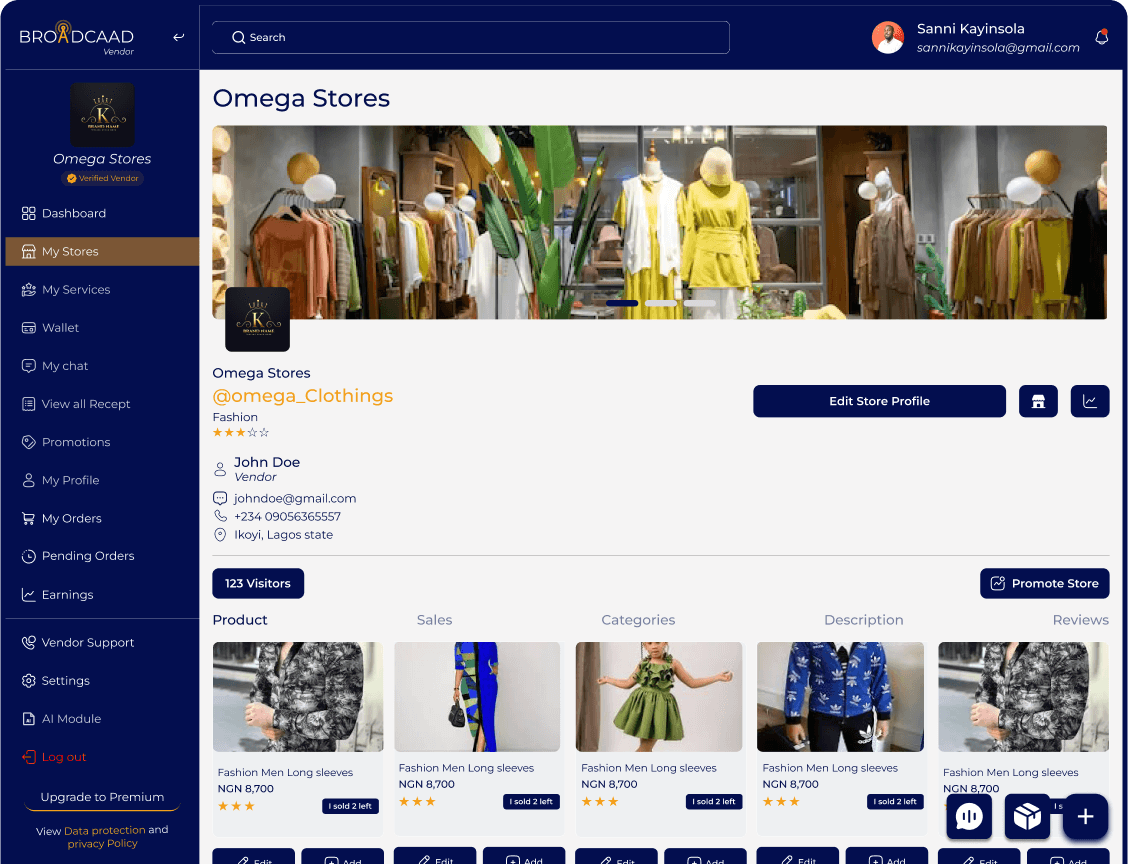
That orchestration depends on unifying campaign context with storefront behavior. If a vendor can see which audience is reacting to category education, which products are getting repeat views, and which offers are driving higher-value checkouts, the funnel becomes easier to tune in a disciplined way.
This is also the point where lifecycle messaging matters more. Without good retention and re-engagement logic, a vendor keeps paying to reacquire attention that should have been nurtured into a second sale or a better next step.
What AI-native funnel operations change
AI-native platforms help by summarizing signal patterns faster than a human team can review them manually. They do not replace strategic thinking, but they help teams spot where to shift spend, where to simplify a path, and where a category deserves a stronger conversion assist.
For BroadCaad, that means helping vendor teams operate from the full journey: acquisition, merchandising, conversion, and post-purchase momentum.