Modern vendor teams do not need more dashboards. They need a tighter way to decide what to feature, what to restock, and what to stop pushing before margin gets diluted.
Why merchandising is now a signal problem
Most vendor teams still merchandise like every product deserves equal attention until sales data proves otherwise. That approach is expensive. By the time a weak item is clearly underperforming, budget has already been wasted across paid media, homepage placement, and retention flows.
AI seller intelligence changes the question. Instead of asking what sold yesterday, teams can ask what has the strongest probability of converting next based on browsing velocity, repeat-view behavior, campaign resonance, and margin conditions. That is where merchandising starts to behave like an operating system instead of a gallery.
What a better merchandising workflow looks like
In a modern stack, the homepage, collection order, promotional slots, and email callouts are all influenced by the same shared signal layer. If one category is gaining attention from repeat buyers while another is attracting low-intent traffic, the platform should not treat both categories the same.
This is also where AI becomes more practical than flashy. The goal is not a novelty recommendation engine. The goal is to shorten the time between signal detection and commercial action so teams can rebalance inventory attention, update bundles, and protect contribution margin.
What BroadCaad is designed to help teams do
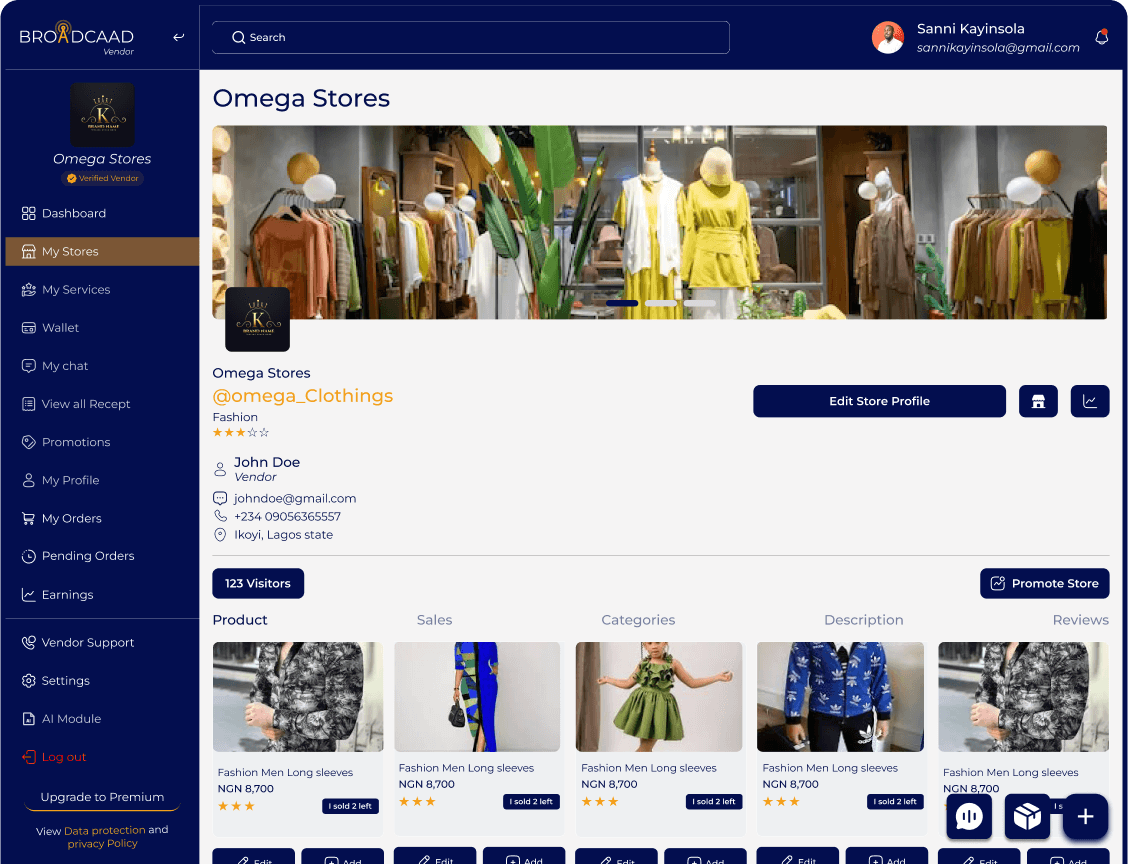
BroadCaad is built for vendor teams that want this signal-driven approach without standing up a complicated data science workflow. The platform helps operators connect store behavior, campaign outcomes, and commercial context into one place where the next merchandising move is easier to see and easier to execute.
That matters most when vendors carry a mix of hero products, new launches, service offers, and seasonal inventory. In those cases, the best merchandising decision is rarely visible from revenue totals alone.